 (281) 650-5732
 rose@conciergejewelryrepair.com


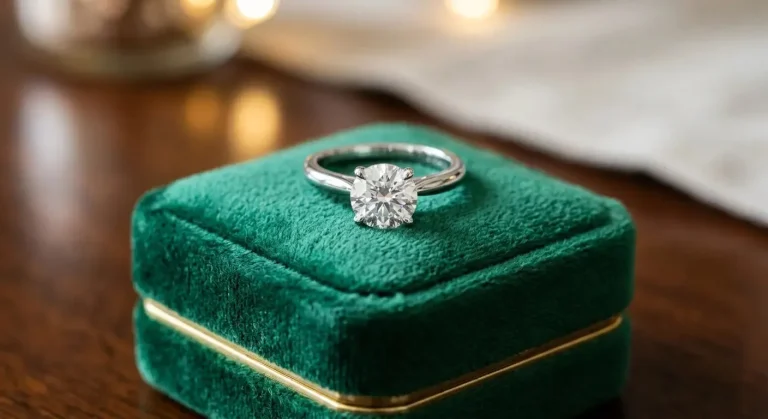
When designing a bridal set, most of the focus naturally goes to the diamond. However, the metal you choose is the foundation that will protect that stone for the next 50 years.
With gold prices reaching historic highs, many of our Sugar Land clients are asking: “Is it better to invest in Platinum, or should I stick with White Gold?” At Concierge Jewelry Repair, we believe the best choice depends on your lifestyle, your budget, and how you feel about maintenance.
Here is everything you need to know to choose your “forever metal.”
1. The Color and the “Rhodium” Reality
At first glance, Platinum and White Gold look almost identical, but they behave very differently over time.
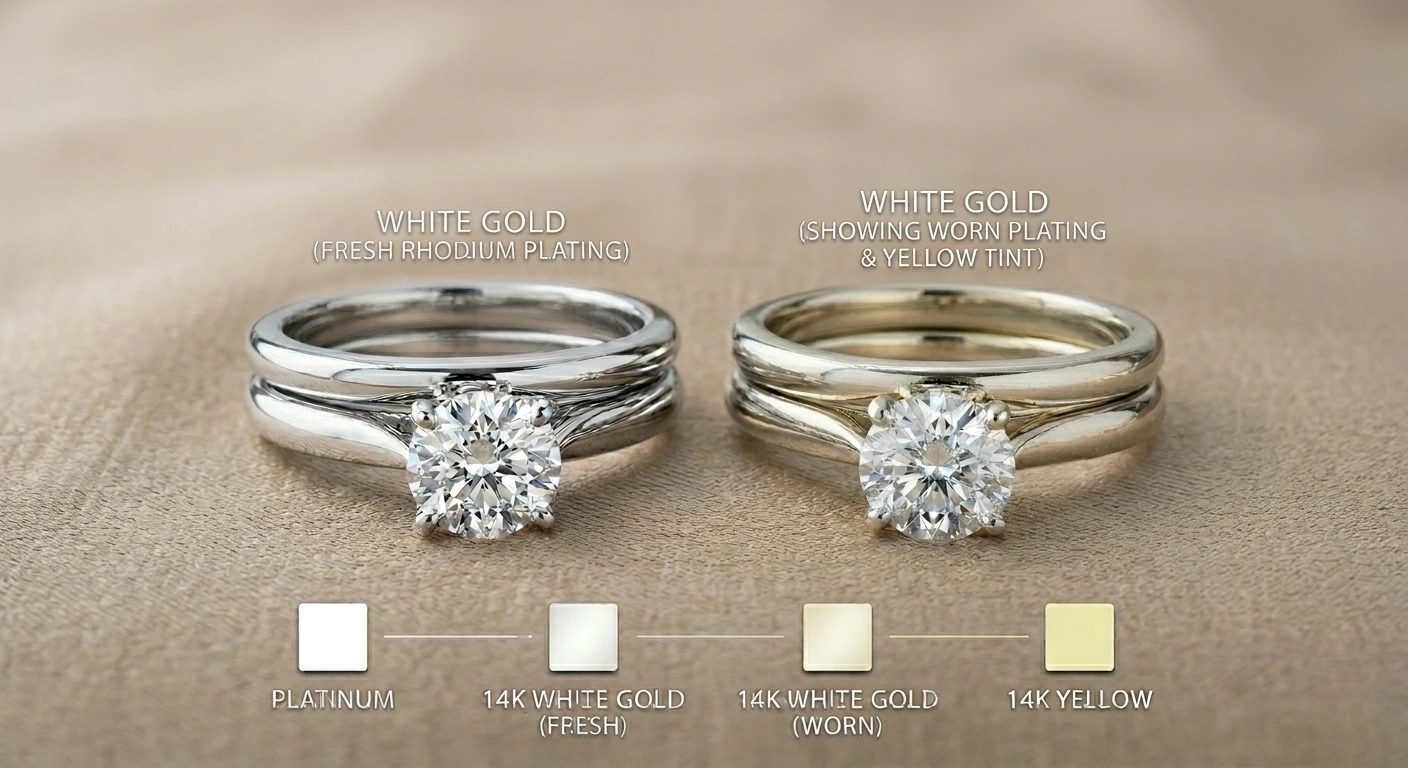
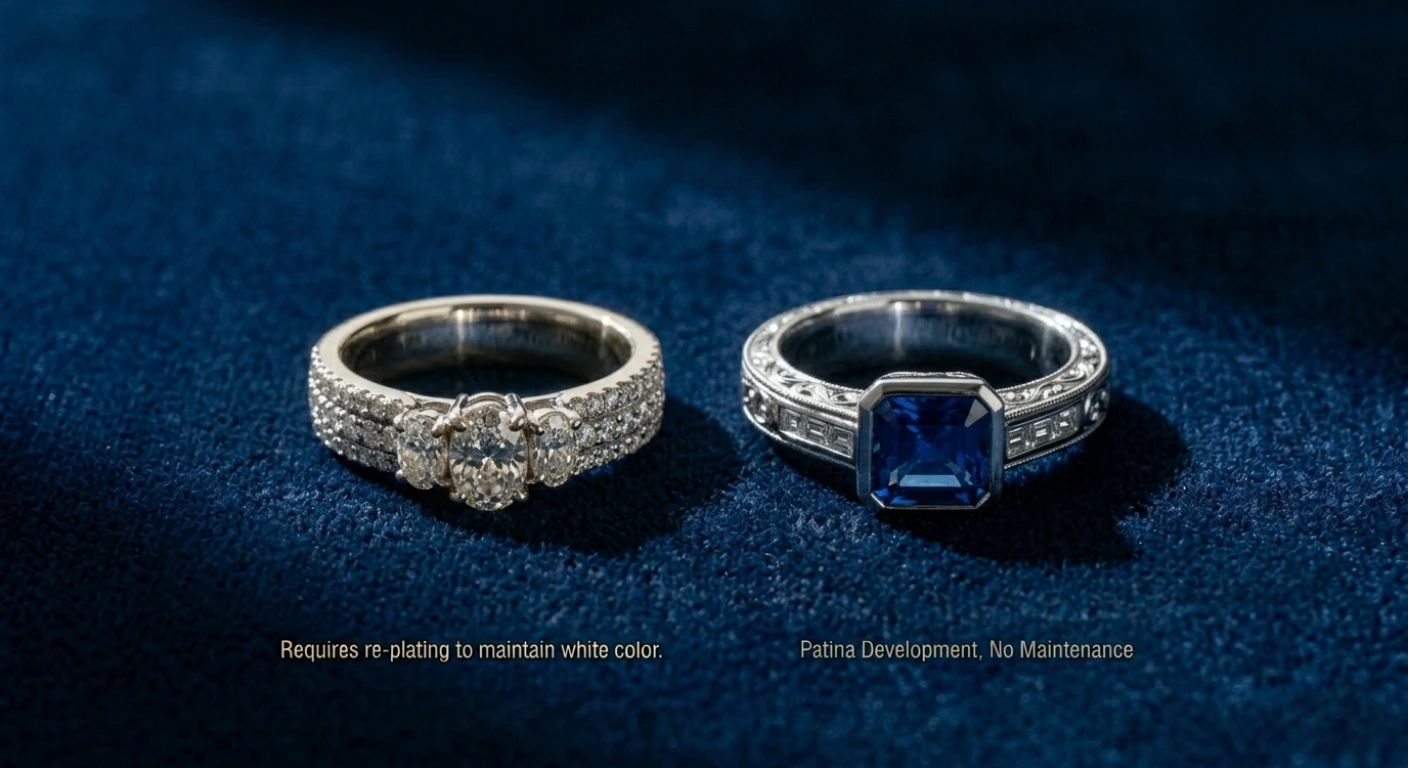
- White Gold: Gold is naturally yellow. To make it white, it is mixed with white metals (like palladium or nickel) and then “dipped” in a liquid called Rhodium. This gives it that brilliant, chrome-like shine. Over time, that plating wears off, and your ring may develop a slight yellowish tint.
- Platinum: Platinum is naturally white. It will never turn yellow. If you want a metal that stays true-white forever without a chemical finish, Platinum is your winner.
2. Durability vs. Hardness: The “Scuff” Factor
There is a common misconception that “harder” means “better.” In jewelry, it’s a bit more complex.
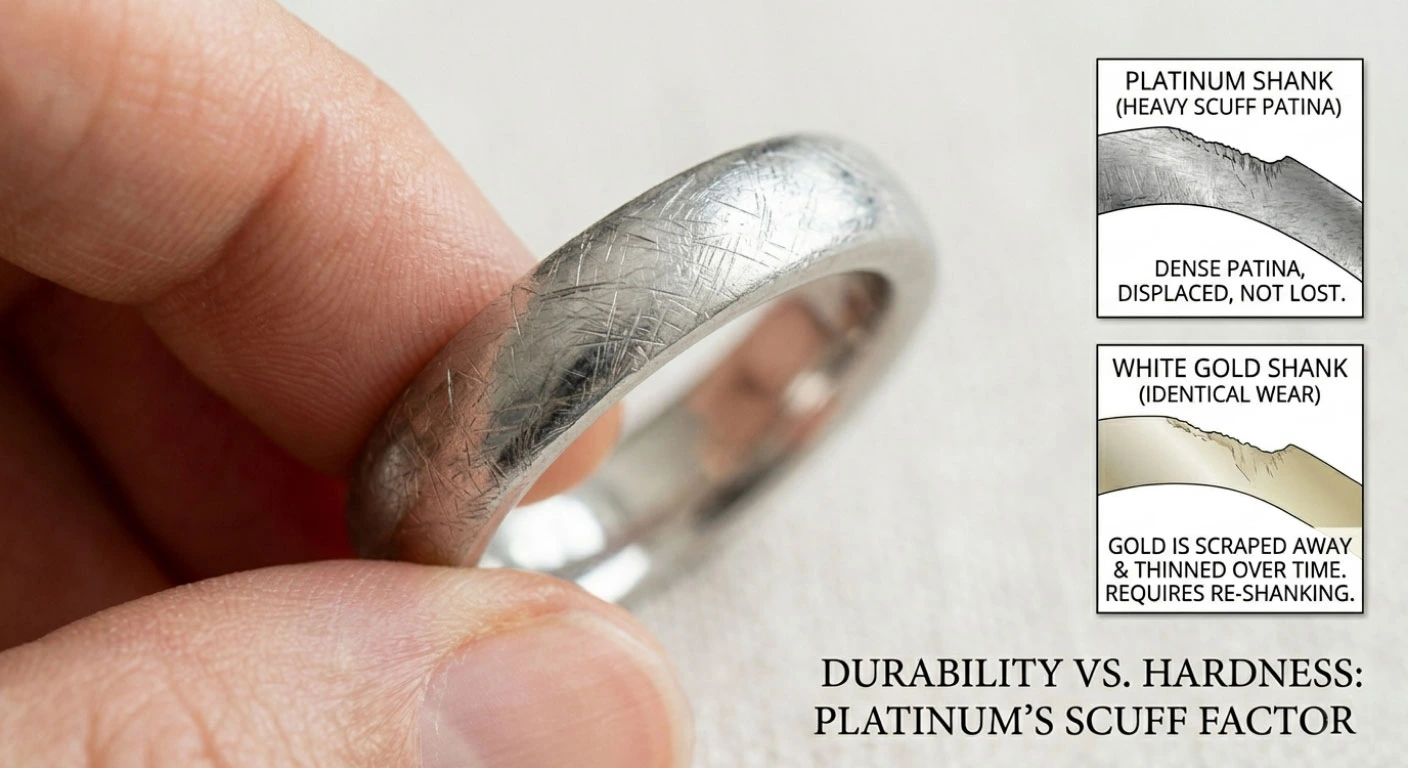
- White Gold is Harder: It resists scratches slightly better than platinum. However, when gold is scratched, the metal is actually scraped away and lost. Over decades of wear, a gold band will naturally become thinner (which is why many heirloom rings eventually need a “new shank”).
- Platinum is Denser: It is “soft” in the sense that it scratches more easily, but it is incredibly durable. When platinum is scratched, the metal is merely displaced—it moves to the side rather than disappearing. Platinum also develops a “patina”—a satiny, matte finish that many vintage lovers adore.
3. The High-Gold Market: Value Comparisons
Historically, Platinum was significantly more expensive than White Gold. However, with the current surge in gold prices, the gap has narrowed.
While Platinum is still a denser (heavier) metal—meaning more of it is required to make a ring—the “luxury gap” is smaller than ever. If you have always wanted the prestige and weight of Platinum, now is a strategically smart time to make that investment.
4. Maintenance: What Does Your Future Look Like?
As a repair-focused studio, we always look at the long-term care of a piece:
- White Gold Maintenance: To keep that “brand new” look, you will likely want to bring your ring in for Rhodium Plating every 1–2 years. This is a quick service we provide that restores the high-polish white finish.
- Platinum Maintenance: Platinum rarely needs “plating,” but it may need professional polishing more often if you prefer a high-shine look over the natural patina.
The Verdict
- Choose White Gold if: You love a lightweight feel, a high-shine “chrome” finish, and you don’t mind a quick maintenance trip to the jeweler every year or two.
- Choose Platinum if: You have metal sensitivities (it’s hypoallergenic), you love a heavy, substantial feel on your hand, and you want a metal that will never change color.
Let Us Help You Decide
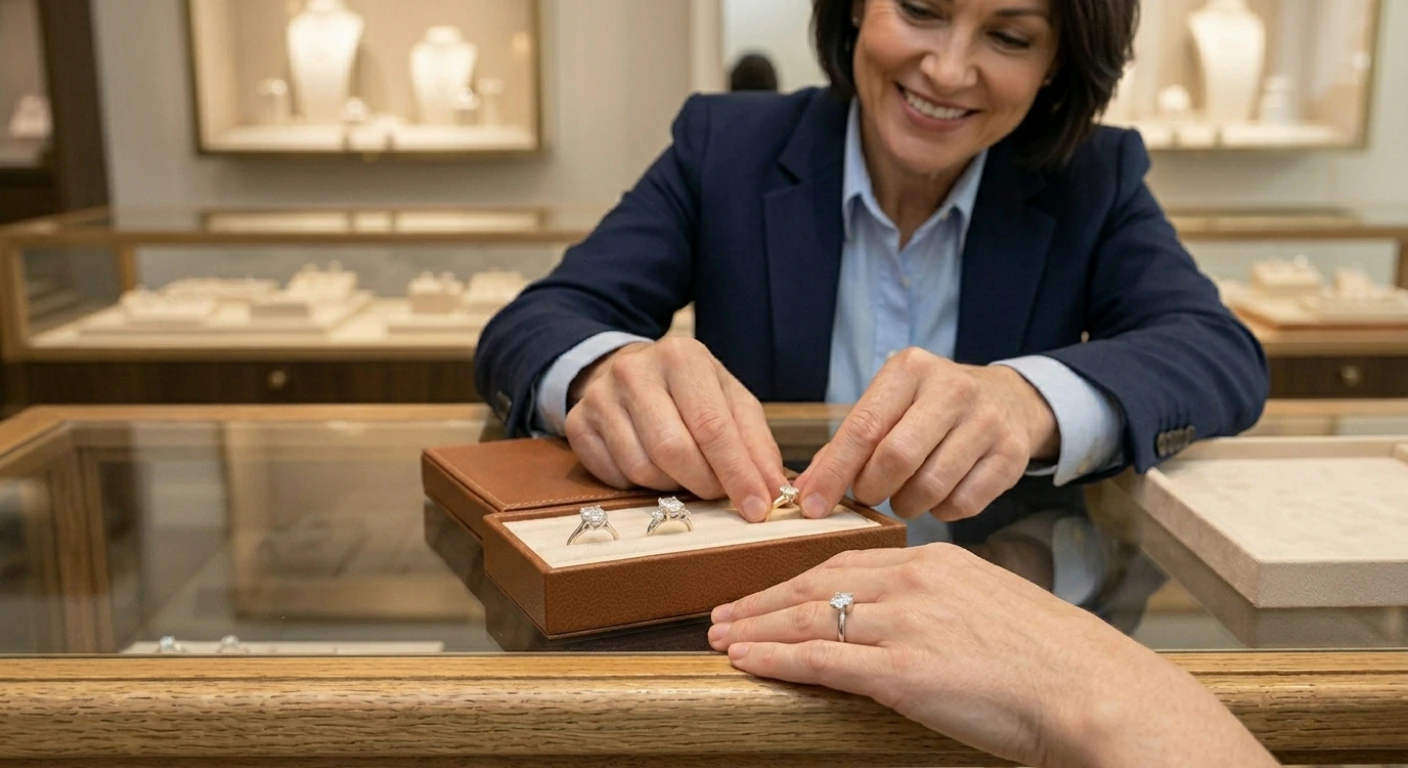
The best way to choose is to feel the difference in person. Visit Concierge Jewelry Repair to try on both metals side-by-side. We’ll help you weigh the costs and benefits so you can feel confident in the foundation of your bridal set.